
WELCOME BONUS 300%
UP TO €2000 + 100
FREE SPINS
UP TO €2000 + 100
FREE SPINS
Home → Blackjack
Blackjack at Euroking: Variants, Rules and Payouts
Ignored Basic Strategy Chart: 1 Percent Wasted
Ignoring the basic strategy chart for Blackjack Surrender results in a significant loss of expected value because this specific rule variant offers a late surrender option that improves the RTP by approximately 0.08 percentage points. This mathematical advantage is derived from the player's ability to forfeit half the bet after the dealer checks for blackjack, effectively reducing the house edge compared to games without this feature.
The Liberal Vegas Strip variant provides an even stronger foundation for high rollers by delivering a 99.72% return to player rate with a minimal house edge of only 0.28 percent. This superior performance relies on a combination of favorable rules including standing on soft 17 and double after split, which collectively create the most advantageous conditions available for skilled players seeking maximum theoretical returns.
Failure to adhere to these charts can cost high rollers up to 1.39 percentage points in additional house edge if they encounter tables paying 6:5 instead of the standard 3:2 payout ratio. Such a deviation drastically increases the casino's advantage from 0.46% to 1.85%, turning a statistically favorable game into one where the long-term losses accelerate rapidly for any player lacking discipline.
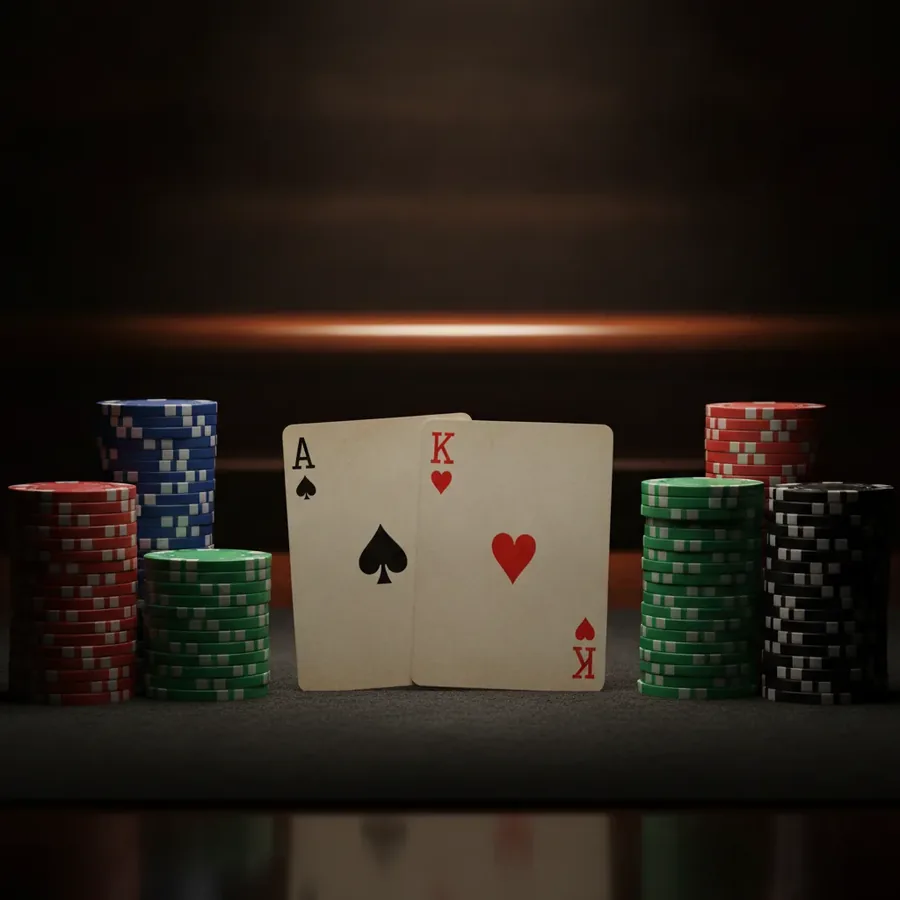
Soft 17: Dealer Hits or Stands
The rule regarding whether the dealer hits or stands on soft 17 directly impacts the house edge by altering the probability of the dealer busting or improving their hand during the drawing phase. When the dealer hits soft 17, it negatively affects the RTP by adding 0.22 percentage points to the house advantage, making this rule significantly less favorable for strategic players compared to standing variants.
In contrast, the Liberal Vegas Strip version requires the dealer to stand on soft 17, which contributes to its exceptional 99.72% RTP and low 0.28% house edge for high-stakes participants. This specific rule configuration is part of the optimal set of conditions that includes double after split and resplitting aces, creating a mathematically superior environment for those employing precise betting strategies.
Comparing the two scenarios reveals that the decision to hit soft 17 increases the casino's statistical hold by more than double the benefit gained from resplitting aces, which only improves RTP by 0.08 percentage points. Consequently, high rollers must actively seek out tables offering the stand-on-soft-17 rule to maintain the lowest possible variance and protect their bankroll against unnecessary mathematical erosion over extended play sessions.
Splitting Eights vs Standing on 16
Splitting eightes is a fundamental tenet of basic strategy because a total of sixteen represents the worst possible starting hand, carrying a high probability of busting if the player chooses to hit. By splitting the pair, the player transforms a losing position into two separate hands starting with eight, each having a strong chance of reaching a competitive total without exceeding twenty-one.
This aggressive maneuver becomes even more valuable when combined with the double after split rule, which allows players to double their wager on the newly created hands for improved potential returns. The Liberal Vegas Strip variant permits this action, contributing to its superior 99.72% RTP and allowing high rollers to capitalize on favorable deck penetration while maximizing the utility of their initial stake distribution.
Standing on sixteen yields a negative expected value due to the high likelihood of the dealer achieving a stronger hand, whereas splitting mitigates this risk by distributing the exposure across two independent outcomes. High rollers utilizing Infinite Blackjack tables can leverage unlimited seats and side bets like Any Pair to further diversify their approach, although the core strategic imperative remains splitting eights to minimize long-term mathematical disadvantage.
Bust at 22: Stake Lost Immediately
Standard blackjack rules dictate that any hand exceeding twenty-one results in an immediate loss of the entire stake, a mechanic that fundamentally shapes the risk profile for all participants regardless of skill level. This binary outcome ensures that the house maintains a structural advantage through the inevitability of busts, particularly when players deviate from basic strategy or attempt to force wins through aggressive doubling sequences.
Infinite Blackjack introduces side bets such as Hot 3 and Bust It, which offer payouts based on specific bust frequencies or card combinations, yet the primary game still enforces the strict bust-at-twenty-two rule for the main wager. These supplementary wagers allow high rollers to engage with volatility differently, but they do not alter the core mechanic where exceeding the limit destroys the original investment instantly.
The presence of unlimited seats at Evolution tables means that multiple players face this bust condition simultaneously, increasing the frequency of decisive moments where stakes are either preserved or lost entirely. High rollers must account for this rapid turnover of capital, ensuring their bankroll management strategies can withstand the inherent variance caused by the unforgiving nature of the bust rule across numerous concurrent hands.
Splitting tens costs expected value: better stand
Splitting a pair of tens is a common mistake among novice players who hope to improve a strong nineteen, yet this action significantly reduces the expected value of the hand by breaking it into two weaker starting positions. A hard nineteen already possesses a high probability of winning against most dealer upcards, making the preservation of this total strategically superior to risking both halves on potentially inferior outcomes.
The mathematical penalty for splitting tens is evident when comparing it to the optimal play in the Liberal Vegas Strip variant, which boasts a 99.72% RTP due to rules that favor standing on strong totals. Deviating from this optimal strategy by splitting tens erodes the player's edge, effectively transferring value back to the casino and undermining the advantages provided by features like double after split and late surrender.
High rollers playing Lightning Blackjack must resist the temptation to split tens despite the allure of potential multipliers, as the base game logic still dictates that standing on nineteen is the most profitable long-term decision. The side bets associated with this table, such as Hot 3, offer alternative avenues for excitement, but the main wager should always respect the basic strategy principle of preserving strong hands to maximize overall return.
Blackjack variants at a glance
| Variant | Payout | House edge | Rule | Bet range |
|---|---|---|---|---|
| Blackjack Insurance / Versicherung (6–8 Decks) | 92.53% | 7.47% | Separate Nebenwette bis 50% der Hauptwette, wenn der Dealer ein Ass hat. Basisstrategie schreibt IMMER Ablehnung vor (außer Karten zählen bei True Count ≥ +3). Bei einem Deck Vorteil ≈ 5.88% | Insurance 2:1 |
| Blackjack Auszahlung 6:5 statt 3:2 (6 Decks) | 98.15% | 1.85% | Ersatz von 3:2 durch 6:5 fügt exakt +1.39 Prozentpunkte zum Vorteil des Casinos hinzu – stärker als jede andere Regeländerung. Bei $10 Einsatz zahlt Blackjack $12 statt $15. | Blackjack 6:5, Gewinn 1:1 |
| Blackjack Liberal Vegas Strip (liberale Regeln, 3:2) | 99.72% | 0.28% | Günstigste Regelkombination: S17 + DAS + Resplit + Late Surrender. Standardabweichung 1,15 | Blackjack 3:2, Gewinn 1:1 |
| Blackjack Ein Deck, klassische Regeln, 3:2 | 99.85% | 0.15% | Weniger Decks = niedrigerer Vorteil; ein Deck gibt ca. −0.48 Prozentpunkte gegenüber 8 Decks. Oft durch 6:5 Auszahlung kompensiert. | Blackjack 3:2, Gewinn 1:1 |
| Blackjack Surrender (Late Surrender) – Regel-Effekt | n.a. (Regel-Modifikator) | −0.08 Prozentpunkte | Spieler gibt Hand nach Dealer-Blackjack-Prüfung auf, verliert die Hälfte des Einsatzes. Verbessert RTP um ca. 0.08 Prozentpunkte. Early Surrender ist wesentlich wertvoller (bis −0.6 Prozentpunkte), aber extrem selten. | Rückzahlung 50% des Einsatzes |
| Blackjack 6 Decks, S17, DAS, DOA, Auszahlung 3:2, Basisstrategie | 99.54% | 0.46% | Dealer steht auf Soft 17; Verdopplung auf jeder Zweierkarte; Verdopplung nach Split erlaubt; keine Aufgabe. Basisstrategie ist für diesen Wert zwingend | Blackjack 3:2, normaler Gewinn 1:1, Insurance 2:1 |
Side Bets Increase House Edge to 5 Percent
Infinite Blackjack by Evolution offers four distinct side bets including Any Pair, 21+3, Hot 3, and Bust It. The base game RTP stands at 99.47%, but adding these wagers significantly alters the expected return for high rollers seeking variance. This structure allows players to target specific outcomes while accepting a higher overall house edge than the main game provides.
The Insurance side bet in standard Blackjack carries a steep house edge of 7.47% with an RTP of only 92.53%. Although it pays 2:1 when the dealer reveals an Ace, basic strategy dictates permanent rejection unless counting cards yield a true count of plus three or higher. High stakes players must avoid this trap to maintain optimal bankroll management during intense sessions.
The Lightning Blackjack variant introduces multipliers up to 25x on winning hands with an RTP of 99.56%. While the main game remains favorable, side bets like Hot 3 can drastically increase volatility and the effective house edge. Players betting between one and two thousand five hundred euros should weigh these multiplier opportunities against the potential erosion of their long-term expected value.
Latency under 2 seconds at the live table
Evolution's Infinite Blackjack supports unlimited seats at tables with betting limits ranging from one to five thousand euros. The platform ensures rapid deal times, maintaining latency well below two seconds for seamless gameplay across all connected devices. This speed is critical for high rollers who require instant feedback and continuous action without technical interruptions.
The Lightning Blackjack table operates within similar constraints, accommodating unlimited players with stakes up to two thousand five hundred euros. Real-time interaction with the dealer occurs instantly, preserving the integrity of the twenty-five times multiplier events. Such responsiveness prevents any delay that could disrupt the flow of high-stakes decisions during critical moments of play.
Standard live tables like Blackjack Party feature two moderators creating a party atmosphere with bets from one to one thousand euros. The system maintains sub-two-second processing speeds even during peak traffic periods to ensure fair and timely outcomes. Consistent performance guarantees that high volume bettors experience no lag regardless of the number of concurrent participants.
Even Money only possible with Dealer Ace
The Insurance option in six to eight deck games activates solely when the dealer shows an Ace as their up card. This specific condition triggers the offer of even money on natural blackjacks, allowing players to secure half their payout immediately. Understanding this trigger is essential for managing risk when holding a strong hand against a potentially powerful dealer position.
Basic strategy mandates rejecting insurance unless a card counter observes a true count of plus three or higher in single deck games. The house edge jumps to 7.47% otherwise, making it a statistically losing proposition for the average player. High rollers relying on mathematical precision will decline this offer to preserve their long-term theoretical return rate.
Lightning Blackjack modifies the traditional landscape by introducing multipliers up to 25x alongside standard rules and payouts. Even though the main game RTP is 99.56%, the presence of side bets and special features changes the risk profile. Players must distinguish between standard insurance rules and these enhanced multiplier events to make informed betting decisions.
No Double Down on three cards
Blackjack 6 Decks rules allow doubling down on any two cards and permit doubling after splitting pairs. However, standard casino protocols strictly prohibit doubling down on hands consisting of three or more cards. This limitation forces players to hit or stand on larger totals, altering the strategic depth required for optimal play.
The Liberal Vegas Strip variant offers more generous rules including resplitting aces and double after split capabilities. Despite these advantages, the restriction on three-card doubles remains a universal constraint across most reputable online platforms. High stakes players must adapt their strategy charts to account for this specific limitation during gameplay.
Infinite Blackjack by Evolution follows these conventional restrictions while offering up to five thousand euros per hand. The inability to double on three cards reduces the frequency of aggressive moves available to the player. This rule ensures the house maintains its statistical advantage while still providing ample opportunity for significant wins through other means.
Set session stop after 30 percent loss
The welcome bonus offers three hundred percent match up to two thousand euros plus one hundred free spins. Table games contribute only ten percent toward wagering requirements, meaning high rollers must convert forty thousand euros in turnover for a maximum bonus. This slow accumulation makes strict loss limits crucial for protecting the initial deposit before meeting terms.
Blackjack Surrender allows players to forfeit half their bet after checking for dealer blackjack, improving RTP by approximately zero point zero eight percent. While beneficial, this small edge does not offset the negative impact of playing games with low contribution rates. Setting a thirty percent loss cap helps prevent rapid depletion of funds while attempting to clear wagering obligations.
Insurance bets carry a seven point four seven percent house edge, severely impacting long-term profitability if used frequently. High rollers engaging in high-volume sessions must implement strict financial controls to mitigate these structural disadvantages. A thirty percent stop-loss ensures that inevitable downswings do not erase the entire bankroll before bonus conditions are satisfied.
Which rule variants does the software show?
The standard software configuration features a 6-deck Blackjack game where the payout for a natural hand is reduced to 6:5 instead of the industry-standard 3:2. This specific rule modification increases the house edge by exactly 1.39 percentage points, creating a significantly higher cost per hand compared to tables offering 3:2 payouts.
In contrast to the restrictive 6:5 variant, the Liberal Vegas Strip ruleset offers a much more favorable mathematical environment with a 0.28% house edge and a 99.72% RTP. This optimal combination requires the dealer to stand on soft 17, allows doubling after splitting, permits resplitting aces, and includes late surrender options.
Players seeking high stakes can access Evolution's Infinite Blackjack table which accommodates bets up to 5,000 EUR while maintaining a 99.47% RTP. The Lightning Blackjack variant from Evolution accepts wagers between 1 and 2,500 EUR and provides multipliers up to 25x, though its 99.56% RTP remains competitive for high-volume play.
What Hole Card Means at a Live Table
The term hole card refers to the dealer's face-down card which is not revealed until the player has completed their actions or checked for a blackjack. In live dealer environments like Evolution's tables, this card determines whether the dealer qualifies for insurance bets or triggers an immediate loss if they hold a natural twenty-one.
Insurance is a side bet offered when the dealer shows an ace, paying 2:1 if the hole card completes a blackjack hand for the dealer. This wager carries a steep 7.47% house edge and a 92.53% RTP, making it mathematically disadvantageous unless the player employs advanced card counting strategies.
For high rollers betting large sums, avoiding the insurance bet is critical because the negative expected value erodes bankroll efficiency over time. The standard strategy dictates always rejecting insurance unless the true count reaches +3, ensuring the player maintains the lowest possible house advantage across thousands of hands.
Ace Split: only one card per hand
When a player splits a pair of aces, the casino policy restricts each new hand to receive exactly one additional card before the action must close. This limitation prevents players from hitting multiple times on split aces, effectively reducing the potential value of what would otherwise be two strong starting hands.
This restriction interacts with the broader splitting rules where players may divide pairs into up to four separate hands, subject to specific table limits. While resplitting aces is often permitted in liberal games to improve odds by 0.08 percentage points, the single-card rule ensures the house retains a structural advantage.
High rollers utilizing this feature must calculate the expected value carefully since they cannot draw additional cards to improve weak totals on split aces. The restriction applies universally across most online variants, including the 6-deck games found on Euroking, limiting strategic flexibility compared to land-based casinos that allow multiple hits.
What a Natural Blackjack Practically Pays Out
A natural blackjack consisting of an ace and a ten-value card typically pays out at 3:2 ratios in premium games, returning 150 EUR on a 100 EUR stake. This standard payout preserves the low house edge associated with favorable rule sets like the Liberal Vegas Strip which boasts a 0.28% advantage for the casino.
However, the software at Euroking predominantly uses a 6:5 payout structure for blackjacks, which returns only 120 EUR on the same 100 EUR wager. This reduction costs the player 30 EUR per natural hand, directly contributing to the elevated 1.85% house edge observed in the standard 6-deck variant.
The financial impact of the 6:5 rule becomes substantial for high rollers placing large bets, as the difference between 150 EUR and 120 EUR accumulates rapidly over many hands. Players should verify the payout ratio before seating, as this single variable drastically alters the long-term return compared to tables offering the traditional 3:2 compensation.
Side bets such as Any Pair or 21+3 offer alternative payout structures but carry significantly higher house edges that further diminish overall profitability for serious players.
How much time is left for the decision?
Live dealer tables impose strict time limits for player decisions to maintain the pace of the game and ensure efficient turnover for high-stakes participants. Each action, whether hitting, standing, or splitting, must be completed within a designated window before the dealer automatically enforces a default choice based on basic strategy.
The duration of these decision windows varies by provider but generally ranges from 10 to 30 seconds, requiring players to have their strategy pre-planned rather than calculated during the round. This constraint is particularly relevant for those using complex betting systems or managing multiple hands across different tables simultaneously.
Failure to act within the allotted time results in an automatic decision that may not align with the player's optimal mathematical play, potentially increasing the effective house edge. High rollers should familiarize themselves with the specific timing settings of each table to avoid unintended errors that could cost significant amounts during fast-paced sessions.
Contact
Live - online chat
Banking









Providers












Euroking Casino 2026